By FUMIO MASUTANI/ Staff Writer
October 17, 2025 at 18:52 JST
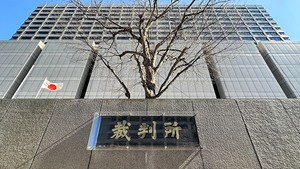
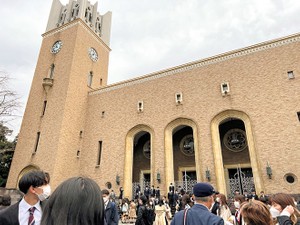
 Established in 1877, the University of Tokyo has long been a leader in Japan’s academic community. (Asahi Shimbun file photo)
The University of Tokyo has issued a formal apology for “collecting and storing” the remains of Ainu and other indigenous peoples from around the world for research purposes without the consent of these communities.
According to the university, known colloquially as Todai, its researchers have been collecting remains from burial sites in Hokkaido, Australia, Hawaii and other regions since the late 19th century.
“The university regards these historical facts with the utmost gravity, reflects on them with sincere remorse, and hereby expresses our heartfelt apologies,” reads a statement on its website released on Oct. 17.
The post marks Todai's first official apology following a verbal expression of regret delivered in July by a university staff member to a Hokkaido-based Ainu organization of representatives and academics.
With the apology came the handover of remains that was organized as part of a broader repatriation effort for modern-day Japan's indigenous group who hail from Hokkaido and nearby regions.
The university has established a task force to investigate the current status of other remains held on campus and work toward returning them.
The decision was made in response to international and domestic recognition and legislation, including the 2007 United Nations Declaration on the Rights of Indigenous Peoples.
Legislation at home has also prompted the government to work with experts to develop guidelines for the return of remains following a 2008 parliamentary resolution officially recognizing the Ainu as an indigenous people.
These efforts include the education ministry starting to coordinate returning remains to their original homes in 2018.









A peek through the music industry’s curtain at the producers who harnessed social media to help their idols go global.

A series based on diplomatic documents declassified by Japan’s Foreign Ministry

Here is a collection of first-hand accounts by “hibakusha” atomic bomb survivors.

Cooking experts, chefs and others involved in the field of food introduce their special recipes intertwined with their paths in life.

A series about Japanese-Americans and their memories of World War II



