October 1, 2025 at 15:32 JST
 Akihiko Tanaka, president of the Japan International Cooperation Agency, speaks at a news conference. (Azusa Kato)
It would be regrettable if grass-roots exchanges built up after many years were to end.
While we can readily imagine the anxiety and disappointment of those individuals in Japan and Africa whose efforts were, in a sense, denied, we hope they will continue with persistent efforts while looking forward and not giving in to baseless slander.
The Japan International Cooperation Agency (JICA) on Sept. 25 retracted an initiative to strengthen exchanges by designating four cities as “hometowns” for African nations.
The decision was made due to disruptions in the normal operations of the local governments, which were overwhelmed by protests based on misleading information that the proposal would lead to a flood of immigrants.
JICA President Akihiko Tanaka apologized for placing excessive burdens on the local governments, but stressed that his organization would continue to promote international exchanges at the affected municipalities.
The main objective of the initiative was to encourage personnel exchanges between the cities and African nations. It was announced in August in line with the Ninth Tokyo International Conference on African Development.
The program was to have linked Kisarazu, Chiba Prefecture, with Nigeria; Nagai, Yamagata Prefecture, with Tanzania; Sanjo, Niigata Prefecture, with Ghana; and Imabari, Ehime Prefecture, with Mozambique.
But misleading social media posts that the program was designed to promote immigration spread after the Nigerian presidential office released a statement that mistakenly said the Japanese government would create a special visa framework for the program.
Even after the Foreign Ministry released a statement clarifying that the Nigerian statement was not based on fact, protest phone calls and emails continued to be directed at the local governments involved.
A demonstration was even held calling for the breakup of JICA.
The four municipalities chosen for the program had separately developed close ties with their respective nations.
For example, Kisarazu organized in 2013 a West African festival and that led to the city serving as the host town for Nigeria during the 2021 Tokyo Olympics and Paralympics.
The city continued with exchange programs with Nigeria through baseball and softball.
Imabari is known for its prominence in the shipping industry and had deepened ties with Mozambique, whose ports serve as important distribution bases in the Indian Ocean.
We are angered and concerned that the program was retracted due to criticism based on a misunderstanding that ignored the past achievements of the cities.
It cannot be denied that the spread of xenophobic tendencies was behind this development.
International exchange by local governments has educational significance because children can widen their perspective by exposure to different cultures.
It also leads to vitalizing local economies by transmitting the appeal of the local community to the world and spreading sales avenues for local specialties.
JICA and the Foreign Ministry must assess what was lacking.
They should improve their communication skills and strengthen public relations so a wider portion of the population can be convinced.
We also call for a quicker response to misleading information that is spread through the internet.
--The Asahi Shimbun, Oct. 1

EDITORIAL: LDP must talk about coexisting with foreigners, not xenophobia
September 29, 2025
VOX POPULI: Xenophobic sentiment simply has no place in our society
September 27, 2025
JICA denies end of ‘hometown’ program a win for xenophobes
September 26, 2025
JICA to scrap Japan-Africa ‘hometown’ plan amid protests
September 25, 2025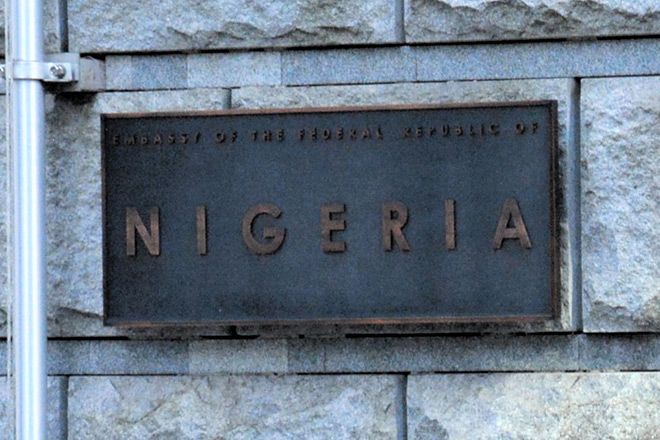
After confusion, Nigeria deletes ‘special Japanese visa’ claim
August 28, 2025
Japan scrambles to refute claims it is bringing in a ‘flood’ of Africans
August 26, 2025










A peek through the music industry’s curtain at the producers who harnessed social media to help their idols go global.

A series based on diplomatic documents declassified by Japan’s Foreign Ministry

Here is a collection of first-hand accounts by “hibakusha” atomic bomb survivors.

Cooking experts, chefs and others involved in the field of food introduce their special recipes intertwined with their paths in life.

A series about Japanese-Americans and their memories of World War II



