Vox Populi, Vox Dei is a daily column that runs on Page 1 of The Asahi Shimbun.
June 30, 2025 at 12:50 JST
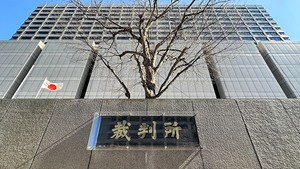
 The Supreme Court in Tokyo’s Chiyoda Ward (Asahi Shimbun file photo)
The age-old adage “If you work hard, you will be rewarded” often shines with a glimmer of hope.
Yet this deeply rooted belief in a direct link between effort and reward can cut both ways.
In certain contexts, it risks turning into a blunt instrument of judgment—morphing into a harsh narrative of personal responsibility that implies: “If you’re struggling, it must be because you haven’t worked hard enough.”
I witnessed this dynamic firsthand while covering the 2019 Upper House election. Our reporting team traveled across the country, speaking with voters who supported the ruling Liberal Democratic Party under then-Prime Minister Shinzo Abe.
When we asked, “What are your thoughts on poverty?” many LDP supporters downplayed the issue.
“Social inequality is inevitable. A life of effort should not be denied.”
“It’s only natural to take care of yourself.”
I was struck by how often we heard these sentiments—firm, even resolute, in framing poverty as a matter of individual responsibility.
These remarks reflected the logic of “If you’re poor, it’s your own fault,” placing the burden of poverty squarely on the individual.
Looking back, when Abe led the LDP from the opposition back into power in 2012, one of the party’s key pledges was to “put self-help and self-reliance first.”
As part of this platform for the 2012 Lower House election, the LDP announced it would, in principle, reduce the standard level of welfare benefits under the livelihood protection program—which guarantees a minimum standard of living—by 10 percent.
In line with this policy, the Ministry of Health, Labor and Welfare implemented significant cuts.
The Supreme Court recently ruled these measures illegal, concluding that they were inconsistent with expert knowledge and that the process was marred by errors and omissions.
This decision will likely mark a major turning point in the ongoing debate over the nation’s social safety net.
Yet one development continues to trouble me: the emerging signs of a new wave of hostility directed at vulnerable people.
Based on a few exceptional cases or outright misinformation, claims are now circulating that foreigners are being excessively favored in areas such as medical expense coverage. Even some members of the Diet are helping to spread these narratives.
People burdened with inescapable anxiety and politicians eager to exploit that anxiety to gain applause—together, they amplify each other and create new “targets.”
We must not allow this same pattern to repeat itself.
The Upper House election is approaching.
—The Asahi Shimbun, June 30
* * *
Vox Populi, Vox Dei is a popular daily column that takes up a wide range of topics, including culture, arts and social trends and developments. Written by veteran Asahi Shimbun writers, the column provides useful perspectives on and insights into contemporary Japan and its culture.












A peek through the music industry’s curtain at the producers who harnessed social media to help their idols go global.

A series based on diplomatic documents declassified by Japan’s Foreign Ministry

Here is a collection of first-hand accounts by “hibakusha” atomic bomb survivors.

Cooking experts, chefs and others involved in the field of food introduce their special recipes intertwined with their paths in life.

A series about Japanese-Americans and their memories of World War II



