By YUKI NIKAIDO/ Staff Writer
October 30, 2025 at 15:31 JST
 Iwao Hakamata and his sister, Hideko, in Shizuoka in January 2017 (Asahi Shimbun file photo)
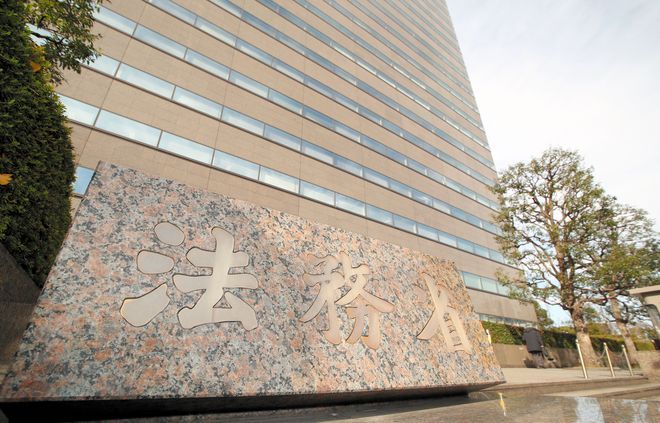
The Justice Ministry has drafted possible evidence-disclosure rules for the much-criticized retrial system, but some lawyers say one proposal would make it more difficult for victims of wrongful convictions to clear their names.
A subcommittee of the ministry’s Legislative Council started discussions on revising the retrial system in April, prompted by the acquittal of former death-row inmate Iwao Hakamata, 89, in September 2024.
Convicted of multiple murders in the 1960s in Shizuoka Prefecture and sentenced to death, Hakamata’s case underscored flaws in the retrial system.
To gain court approval for a retrial, the defense side must submit “clear new evidence that warrants an acquittal.”
After considering all new evidence, including items disclosed by the prosecution, the court orders a retrial if it determines the new evidence would result in an acquittal.
However, the current Code of Criminal Procedure lacks evidence-disclosure rules for retrial proceedings, and prosecutors are not obligated to disclose evidence.
Hakamata was acquitted 43 years after filing a request for a retrial. The evidence that led to his acquittal was held by prosecutors for around three decades before being disclosed following a court recommendation.
The Asahi Shimbun has obtained documents about suggested revisions that the Justice Ministry will present at the subcommittee meeting on Oct. 31.
To address the scope of evidence disclosed by prosecutors in a retrial request, the draft lists two proposals: the limited plan; and the broad plan.
Under the limited plan, a court would order the prosecution to disclose only evidence within the scope related to the reason for the retrial request.
This would be restricted to evidence directly tied to the new arguments of the defense side, according to ministry and prosecution sources.
Many in the subcommittee, the ministry and prosecutors offices favor the limited plan. They argue that scope of evidence disclosure should be narrower in a retrial request than in a regular trial.
Defense lawyers are pushing for the broader plan, which would seek prosecutors’ disclosure of evidence under other categories.
They argue that the justice system should not be limited in any way that could prevent the exoneration of those who have been wrongly convicted.
The lawyers said crucial evidence that has led to retrials and acquittals in the past would not have been disclosed under the limited plan.
The Legislative Council’s subcommittee is expected to compile a draft report for legal reform as early as new year.
A cross-party league of Diet members has already compiled a bill that includes provisions for broad evidence disclosure. Six opposition parties have submitted this bill to the Diet.
Justice Ministry to review retrial system that has come under fire
December 20, 2024
Ex-judge urges reform, says retrial system an arbitrary affair
October 25, 2024
Ex-con acquitted of 1986 murder after retrial sees new evidence
July 18, 2025
Hakamata’s sister asks for review of Japan's retrial system
May 30, 2025
Man likely to be acquitted in retrial of 1986 murder of girl
March 7, 2025
Court acquits Hakamada of murder, 58 years after his arrest
September 26, 2024





A peek through the music industry’s curtain at the producers who harnessed social media to help their idols go global.

A series based on diplomatic documents declassified by Japan’s Foreign Ministry

Here is a collection of first-hand accounts by “hibakusha” atomic bomb survivors.

Cooking experts, chefs and others involved in the field of food introduce their special recipes intertwined with their paths in life.

A series about Japanese-Americans and their memories of World War II



