By YUSUKE MORISHITA/ Staff Writer
May 5, 2025 at 16:04 JST
 Bar associations’ statements in response to U.S. sanctions on the International Criminal Court (The Asahi Shimbun)

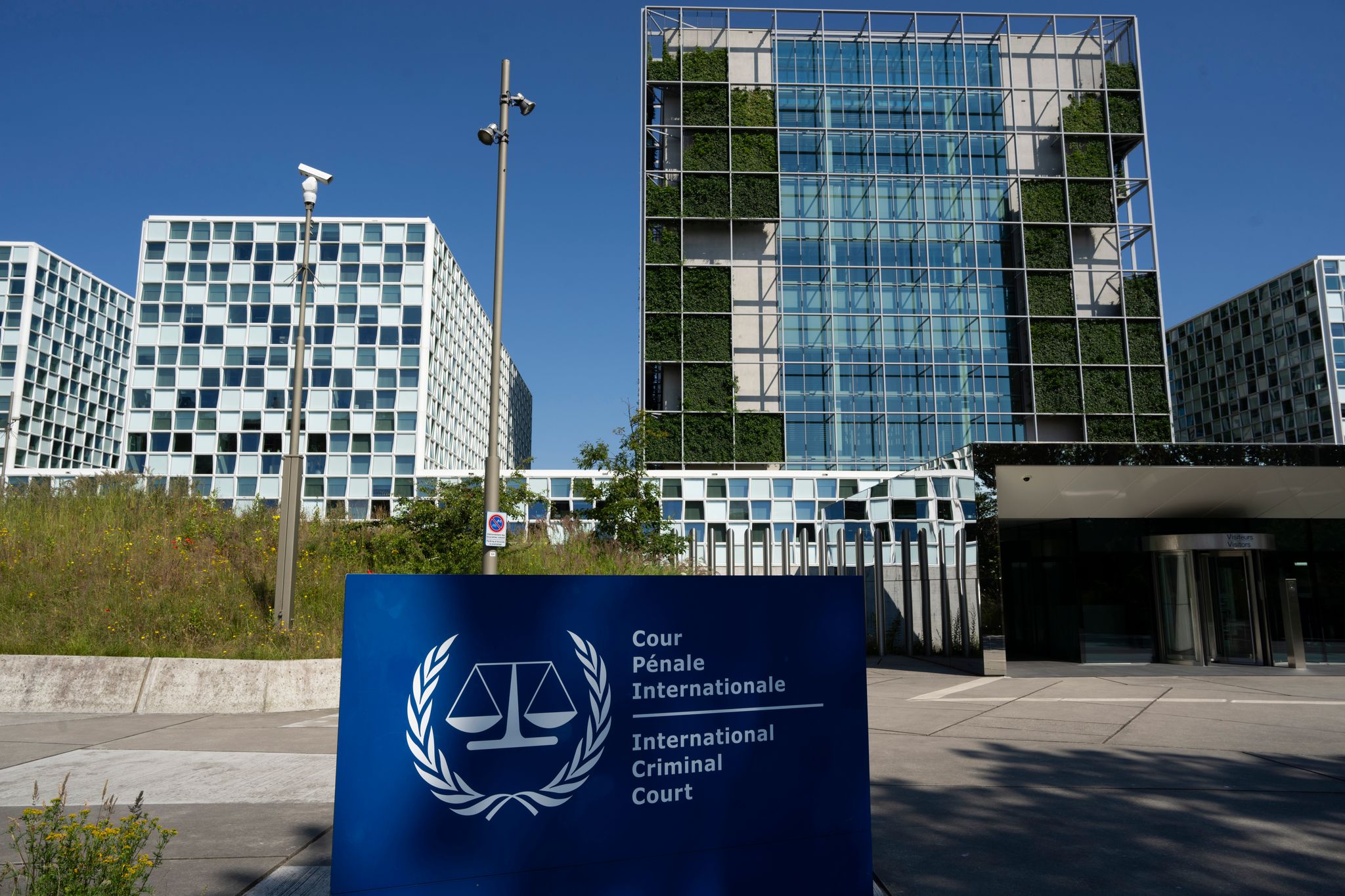
Lawyers groups are pressing Japan to join other countries in demanding the United States rescind its sanctions imposed on the International Criminal Court over its actions concerning Israel’s bombardment of the Gaza Strip.
U.S. President Donald Trump signed the executive order for the sanctions on Feb. 6 concerning the ICC’s arrest warrant issued in November for Israeli Prime Minister Benjamin Netanyahu on suspicion of war crimes.
Seventy-nine of the court’s 125 member states immediately condemned the U.S. move in a joint statement. But Japan, an ICC member, did not sign the statement out of fear of worsening relations with the United States.
The Aichi Bar Association was one of the first lawyers’ groups in Japan that issued a statement criticizing Trump’s executive order, which includes sanctions on the ICC’s prosecutor.
“A politician is trying to distort the role of the judiciary by force,” said lawyer Kentaro Uematsu, a member of the association. “Japan could suffer the same fate someday if we overlook political intervention with the judiciary (in the international community).”
The ICC, based in The Hague, prosecutes and tries individuals accused of war crimes and other serious violations of international law.
Tomoko Akane, a former prosecutor at the Supreme Public Prosecutors Office, has been serving a three-year term as ICC president since March 2024.
Uematsu, who studied under Akane at Nagoya University’s Graduate School of Law when she was a professor, heard his mentor speak at an alumni reunion in November.
While the ICC was not originally something close to him, Uematsu said he learned that the importance of holding those engaged in illegal acts criminally accountable is the same in Japan and abroad.
He raised his voice against the executive order with other students of Akane, including lawyer Yosuke Shamoto.
“The United States, which established the international order after World War II, is running counter to it,” said Shamoto, another member of the Aichi Bar Association. “It is significant for Japan to work on the United States exactly because Japan prioritizes the rule of law.”
The Aichi Bar Association and the Osaka Bar Association separately issued statements against Trump’s executive order on March 7.
“The sanctions against the ICC could reject the independence of the judiciary and the rule of law altogether,” the Osaka Bar Association said in its statement.
The Japan Federation of Bar Associations, as well as the Tokyo Bar Association and other groups, followed suit with their own statements.
In his executive order, Trump said the ICC has engaged in “illegitimate and baseless actions targeting America and our close ally Israel.”
He said the court has “no jurisdiction” over the United States or Israel because neither country is a member.
Currently, the ICC prosecutor is the only individual designated as sanctioned, but some officials have left the court because the executive order said those who provide support to him could face penalties.
Megumi Ochi, an associate professor of international criminal law at Ritsumeikan University, said international criminal justice has been established as grass-roots movements crossed national borders and developed into a large social activity.
“In that sense, the actions by bar associations are necessary to establish justice (in the international community),” she said.
Ochi said victims of war crimes will suffer a serious setback if the ICC fails to work properly because they will become unable to seek the truth.
ICC condemns sanctions by Trump administration and pledges to continue its work
February 10, 2025
Japan remains silent on Trump’s order to sanction staff of ICC
February 18, 2025
International Criminal Court’s chief lashes out at threats from Russia and U.S. senator
December 3, 2024
Amid turbulent times, ICC elects 1st Japanese president
March 12, 2024
ICC’s existence threatened by U.S. sanctions, court head says
December 13, 2024
Japan joins 40 nations in urging probe of Russian war crimes
March 10, 2022










A peek through the music industry’s curtain at the producers who harnessed social media to help their idols go global.

A series based on diplomatic documents declassified by Japan’s Foreign Ministry

Here is a collection of first-hand accounts by “hibakusha” atomic bomb survivors.

Cooking experts, chefs and others involved in the field of food introduce their special recipes intertwined with their paths in life.

A series about Japanese-Americans and their memories of World War II



