By SHUN YOSHIMURA/ Staff Writer
March 6, 2025 at 18:37 JST
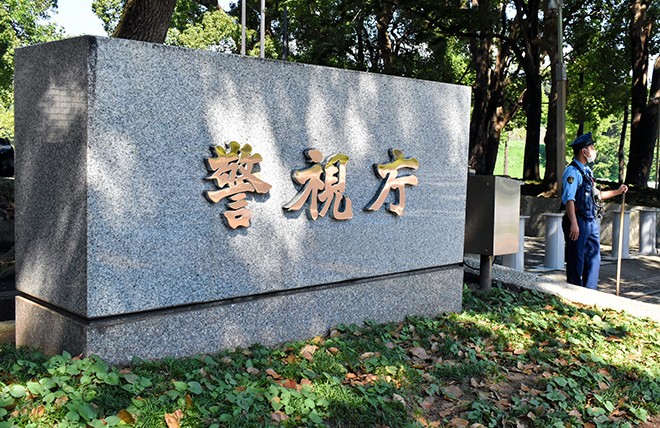 The headquarters of Tokyo's Metropolitan Police Department (Asahi Shimbun file photo)
A Vietnamese student was arrested on suspicion of assisting a criminal ring in illegally creating Tokyo community currency accounts, in a case of mass financial identity theft.
The man, 20, is accused of illegally obtaining the phone numbers and authentication codes of targeted individuals and providing them to a group of Chinese nationals between June and December of last year.
The group exploited the information to open 12 accounts on Hachi Pay, a local e-payment platform run by the capital’s Shibuya Ward, according to police.
They then linked these accounts to stolen credit cards and used them to make purchases, which were likely resold for profit.
The Vietnamese man allegedly used manipulated or duplicated SIM cards to receive authentication codes texted from Hachi Pay operators via smartphone’s Short Message Service.
The criminal ring is believed to have abused Hachi Pay accounts to create a buffer between their purchases and the stolen credit card information, making it harder for investigators to track and apprehend members.
The suspect received a payment of 500 yen ($3.35) to 1,000 yen per account from the Chinese group.
The police believe that, in addition to the charges for this arrest, a total of around 500 Hachi Pay accounts were illegally created.
The suspect said he received between 150,000 and 200,000 yen per month from the group.
The Vietnamese man, residing in Tokyo’s Arakawa Ward, is believed to have had one or more accomplices helping the Chinese group.
According to the police, the suspect and the Chinese group created accounts with other community currencies in a similar manner.
The case underscored the vulnerability of preinstalled texting apps on smartphones, commonly used for authentication in financial transactions.
Due to limited budgets, many local payment platform operators struggle to implement stronger cybersecurity measures, making them easier targets for this type of financial crime.
Masakatsu Morii, an information security specialist and professor emeritus at Kobe University, urges operators and credit card users to remain vigilant.
“Credit card users should thoroughly review their statements and, if they spot any unfamiliar transactions, consult with the card company to prevent theft,” he said.















A peek through the music industry’s curtain at the producers who harnessed social media to help their idols go global.

A series based on diplomatic documents declassified by Japan’s Foreign Ministry

Here is a collection of first-hand accounts by “hibakusha” atomic bomb survivors.

Cooking experts, chefs and others involved in the field of food introduce their special recipes intertwined with their paths in life.

A series about Japanese-Americans and their memories of World War II



