By HIROAKI WATANABE/ Staff Writer
December 17, 2025 at 15:56 JST
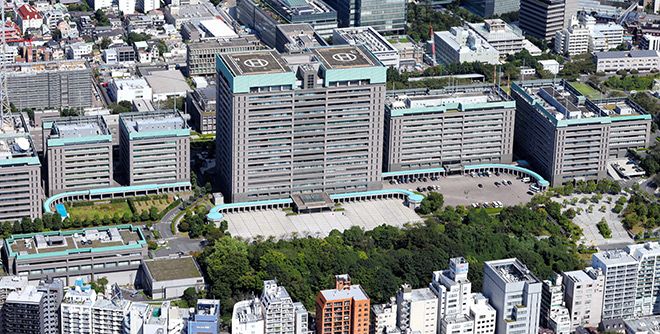 The area around the Defense Ministry in Tokyo’s Shinjuku Ward is one of the designated national security sites where land use is monitored and restricted. (Asahi Shimbun file photo)
Despite security concerns over foreign property acquisitions near key defense sites, a nationwide survey once again found no evidence of transactions that could pose a threat to critical facilities.
Foreign individuals and companies made up only 3.1 percent of land and building transactions in areas designated under recently enacted land use rules, according to a Cabinet Office survey released on Dec. 16.
The survey covered 583 designated zones over the course of fiscal 2024. Among them were areas within a kilometer of Self-Defense Forces and U.S. military bases, as well as border islands.
Using property registries and resident records, officials reviewed more than 113,000 transactions. Of these, fewer than 3,500 properties were acquired by non-Japanese nationals or foreign-affiliated firms.
China, including Hong Kong, topped the list of foreign acquisitions with 1,674 properties. Taiwan followed with 414 and South Korea had 378.
This marks the second consecutive year of such monitoring, with results again showing a consistently low proportion of non-Japanese ownership.
The 2022 land use regulation authorizes the government to investigate property use in sensitive areas and issue penalties and orders against activities that could compromise national security.

Nationality disclosure now required for major land deals
October 6, 2025
Survey: 7.5% of condo buyers in central Tokyo reside overseas
November 21, 2025
Survey: 1 in 10 new apartments in Tokyo resold within a year
November 26, 2025
Policy talks on foreigners start; land deals, visas high on agenda
November 28, 2025








A peek through the music industry’s curtain at the producers who harnessed social media to help their idols go global.

A series based on diplomatic documents declassified by Japan’s Foreign Ministry

Here is a collection of first-hand accounts by “hibakusha” atomic bomb survivors.

Cooking experts, chefs and others involved in the field of food introduce their special recipes intertwined with their paths in life.

A series about Japanese-Americans and their memories of World War II



