By DAIKI KOGA/ Staff Writer
August 6, 2025 at 18:25 JST
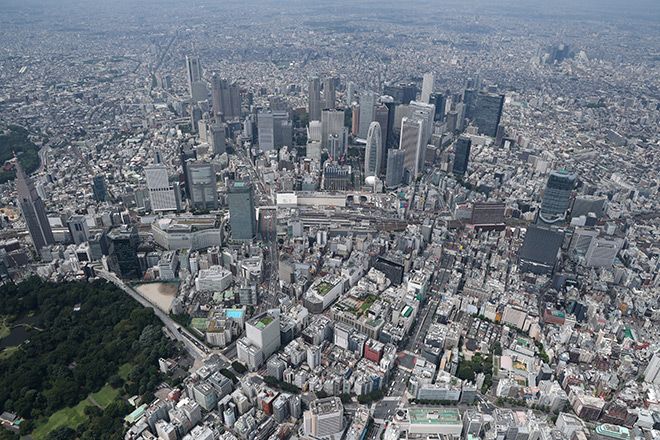 Tokyo is the only prefecture where the Japanese population increased in a latest population dynamics survey released by the internal affairs ministry. (Koichiro Yoshida)
Trends that are changing the face of Japan are continuing, with the latest census revealing the largest-ever decline in the Japanese population while the increase in the foreign population is the largest ever.
The internal affairs ministry on Aug. 6 released the population figures for Japan based on the basic resident register as of Jan. 1, 2025.
The Japanese population was 120,653,227, a decrease of 908,574 (0.75 percent) from the previous year. This decline is the largest since the survey began in 1968 and marks the first time for the figure to exceed 900,000.
Meanwhile, the foreign resident population was 3,677,463, an increase of 354,089 (10.65 percent) compared to the previous year. This increase is the largest since the data became available in 2013.
The trends of declining birthrates, an aging population and concentration of the population in Tokyo continue unabated, the census shows.
The Japanese population has been declining for 16 consecutive years since its peak in 2009, with the decrease reaching a record high for the fourth consecutive year.
On the other hand, the foreign resident population has increased for three consecutive years. Although it temporarily declined during the COVID-19 pandemic, it has been growing by more than 10 percent annually since 2023.
The combined total of Japanese and foreign residents was 124,330,690, a decrease of 554,485 (0.44 percent) compared to the previous year.
The census shows that the accelerating decline of the Japanese population continues to be offset by the equally accelerating increase in the foreign resident population.
In the past year, the number of Japanese children born was 687,689, a decrease of 41,678 from the previous year, marking a record low.
At the same time, the number of deaths was 1,599,850, an increase of 20,123, marking a record high.
The natural population change, or the difference between births and deaths, saw a decrease of 912,161.
Looking at the Japanese population by age group, the working-age population (15–64 years old) was 71,235,169, a decrease of 505,950 from the previous year.
Its share of the total Japanese population was 59.04 percent.
On the other hand, the number of children aged 0–14 was 13,725,356, a decrease of 383,579.
The elderly population aged 65 and over was 35,692,697, a decrease of 19,041 from the previous year.
The proportion of children in the total Japanese population was 11.38 percent, a decrease of 0.23 percentage point, while the proportion of elderly people increased by 0.20 percentage point to 29.58 percent.
These figures indicate a further intensification of Japan’s aging population and declining birthrate trends.
By prefecture, Tokyo was the only one where the Japanese population increased, as was the case the previous year.
On the other hand, the foreign resident population increased in all prefectures.








A peek through the music industry’s curtain at the producers who harnessed social media to help their idols go global.

A series based on diplomatic documents declassified by Japan’s Foreign Ministry

Here is a collection of first-hand accounts by “hibakusha” atomic bomb survivors.

Cooking experts, chefs and others involved in the field of food introduce their special recipes intertwined with their paths in life.

A series about Japanese-Americans and their memories of World War II



