By YUHEI KYONO/ Staff Writer
December 13, 2024 at 16:47 JST
Following the Nobel Peace Prize award ceremony in Oslo, hibakusha recounted stories of surviving the atomic bombings to an audience encompassing different generations, younger attendees among them.
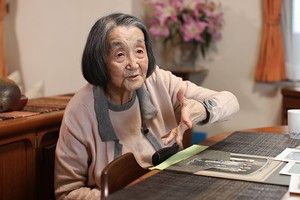
Keiko Ogura was one of the speakers at the Nobel Peace Prize Forum held at the University of Oslo on Dec. 11.
She addressed the audience in English, telling them that she wants to see nuclear weapons disappear from the Earth before she dies. The 87-year-old from Hiroshima was exposed to the bomb when she was 8.
While sharing her experiences of being exposed to the atomic bombing, including conversations with leaders of many countries, Ogura paid tribute to the foundation for her activism.
Her activities are rooted in the “treasure” she inherited from her late husband, Kaoru.
Kaoru served as the director of the Hiroshima Peace Memorial Museum and other roles. He was fluent in English and worked diligently to convey the message of peace overseas.
The first exhibition featuring photographs taken in the aftermath of the atomic bomb at the United Nations Headquarters in New York is among the projects he devoted himself to. Despite complaints that photos of heavily scarred victims were too graphic, Kaoru successfully persuaded those involved to allow them to be displayed.
In his countless interactions with foreign journalists and scholars, it was through the writer Robert Jungk that the two met.
Keiko had studied English at Hiroshima Jogakuin University. After marrying, however, she was busy raising two children and taking care of her in-laws. She was intensely jealous of her husband, who would read through English documents while she washed the dishes.
This all changed when she was 41; Kaoru suddenly experienced a stroke—specifically, a subarachnoid hemorrhage—and passed away. He was only 58.
Keiko was in tears when she received a phone call from Jungk. He told Keiko that he was going to Hiroshima, and he wanted her to work as his interpreter.
This was the start of Keiko’s second life. She studied English hard once more while searching for other hibakusha and researchers living in Hiroshima to introduce to peace activists and journalists coming from abroad, also interpreting for them.
Kaoru's personal phone book gave her all the necessary numbers of people he had connected with through his work. Whenever she introduced herself saying, “This is Kaoru Ogura’s wife,” at the beginning of a call, everyone cooperated with her.
“The best treasure he left me was his relationships with people,” she said. Everyone remembered Kaoru’s personality, that he naturally squatted down to make eye contact when talking with children.
At the Group of Seven summit held in Hiroshima in May last year, Keiko met with world leaders, including those of nuclear states such as France, Britain and the United States. She told them of the reality of the atomic bombing as much as time permitted and feels the world’s interest in Hiroshima has increased since the summit.
She hopes the Nobel Peace Prize won by the Japan Confederation of A- and H-Bomb Sufferers Organizations (Nihon Hidankyo) will provide an additional boost toward “a world without nuclear weapons.”
“I hope that each of you will think about what you should do to eliminate nuclear weapons,” she said. “I believe my role is to tell people what the outcome is if nuclear weapons are used.”
Keiko remembers Kaoru telling her that, someday, she would find something only she could do. She now has her answer.
“This is what you were talking about,” she said.

Survivor shares memories of A-bomb through poems in English
December 9, 2024
Nihon Hidankyo born out of sense hibakusha could not sit idly by
October 13, 2024
Crowds in far-off Hiroshima watch Nobel Peace Prize ceremony
December 11, 2024
Young Japanese taking over from hibakusha in anti-nuclear call
December 7, 2024
It’s the news hibakusha had waited decades to finally hear
October 12, 2024
Hibakusha place their hopes in young people to carry on the fight
October 16, 2024









A peek through the music industry’s curtain at the producers who harnessed social media to help their idols go global.

A series based on diplomatic documents declassified by Japan’s Foreign Ministry

Here is a collection of first-hand accounts by “hibakusha” atomic bomb survivors.

Cooking experts, chefs and others involved in the field of food introduce their special recipes intertwined with their paths in life.

A series about Japanese-Americans and their memories of World War II

 Atomic bomb survivor Keiko Ogura shares her experiences during the Nobel Peace Prize Forum at the University of Oslo on Dec. 11. (Jun Ueda)


