By YUKI NIKAIDO/ Staff Writer
December 6, 2024 at 17:41 JST
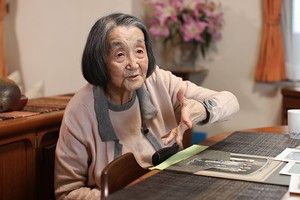
 Yasuharu Hidaka, a professor at Takarazuka University (Yuki Nikaido)
More than 40 percent of school nurses in Japan have given consultations to students who feel uncomfortable with their genders, while over 20 percent have done so for gay or lesbian students, according to a recent survey.
The survey, released on Dec. 5, was conducted online between January and March by Yasuharu Hidaka, a professor of social epidemiology at Takarazuka University, at the request of a certified nongovernmental organization.
Since understanding the current situation is necessary to create an educational environment where children feel safe seeking advice, the survey collected valid responses from 2,172 school nurses at elementary, junior high, high schools and special needs schools across nine municipalities.
The survey found that 42.4 percent of school nurses had provided consultations to students who feel disconnected with their genders or identify as transgender, while 22.3 percent had given consultations to students who identify as gay or lesbian.
The survey also asked if the school nurses had received any training about understanding sexual minorities―through professional training, self-study or courses at university and other institutions―and found that nurses with previous training were much more likely to have consulted with students about these subjects.
Specifically, 52.4 percent of nurses who had received training through all three methods had provided consultations to students who identify as transgender or feel disconnected to their gender identities.
This compares to 42.5 percent of nurses who received training through one or two methods, and only 22.5 percent of those with no prior training about sexual minorities.
“The more opportunities there are to learn, the more attuned school nurses become and they may find it easier to notice subtle changes in students,” Hidaka said.
The survey also found that 90.3 percent of school nurses shared details from these consultations with students with homeroom teachers or school administrators. But only 54.3 percent did so with the students’ consent.
“While it is important for schools to address such cases as a team, consultations are essentially equivalent to coming out and could lead to outing a student’s sexual orientation or gender identity,” Hidaka said.
He said that it’s crucial to clearly explain why the information needs to be shared, including who it will be shared with, and to obtain the student’s consent.

Survey: 30% of teenage sexual minorities avoided school
January 10, 2024
Survey: Only 11% of teachers have discussed LGBT issues in class
March 23, 2021
Survey: 33% of job seekers suffer from gender discrimination
June 20, 2023
Sciences-oriented universities set quotas for more female students
January 22, 2024
Unconscious gender bias may be hindering girls at school
December 5, 2024













A peek through the music industry’s curtain at the producers who harnessed social media to help their idols go global.

A series based on diplomatic documents declassified by Japan’s Foreign Ministry

Here is a collection of first-hand accounts by “hibakusha” atomic bomb survivors.

Cooking experts, chefs and others involved in the field of food introduce their special recipes intertwined with their paths in life.

A series about Japanese-Americans and their memories of World War II



