By KENTA NOGUCHI/ Staff Writer
June 17, 2024 at 18:17 JST
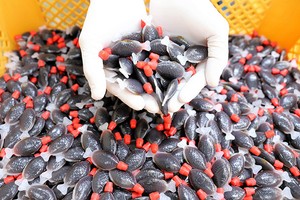
 The bacterium Treponema pallidum is the causative agent of syphilis. It enters the skin through small abrasions caused by sexual activity. (Provided by the National Institute of Infectious Diseases)
Syphilis, a sexually transmitted infection that was previously more common in Japan among men, has sharply increased among young pregnant women and newborns, alarming experts.
One in about 200 pregnant teens was infected with syphilis in 2022, a nearly threefold increase in about six years, according to a survey conducted last year by the Japan Association of Obstetricians and Gynecologists.
The survey received responses from 1,346 medical institutions nationwide that deliver children.
It found that 18 of 3,504 pregnant teens, or 0.51 percent, were infected, compared with 0.19 percent in the previous survey, which covered six months from October 2015.
Syphilis, a bacterial infection that can cause eye and nerve damage if left untreated, often spreads through sexual intercourse and can be transmitted by kissing.
It can also be transmitted congenitally through the placenta of an infected mother to the fetus.
Experts said a lack of public awareness about sexually transmitted diseases and the increased chances of strangers becoming intimate via social media have contributed to the rise in syphilis cases.
According to the survey, 238 of the 139,432 pregnant women in their 20s, or 0.17 percent, and 108 of the 245,730 pregnant women in their 30s, or 0.04 percent, were infected with syphilis in 2022—up from 0.04 percent and 0.01 percent, respectively, in the previous survey.
In contrast, eight of the 28,014 pregnant women in their 40s or older, or 0.03 percent, were infected, compared with 0.02 percent in the previous survey.
According to a preliminary report by the National Institute of Infectious Diseases, the number of syphilis patients totaled about 15,000 in 2023—a twelvefold increase from a decade earlier and the highest since records based on the current counting methods began in 1999.
The number of congenital syphilis patients also sharply increased, hitting a record at 37.
Congenital syphilis is a chronic infection that affects multiple organs.
It may lead to premature birth or stillbirth. Even if the baby is born without any symptoms, bone deformities, eye disease, hearing loss and other conditions may appear later.
While male-to-male transmissions accounted for one-third of syphilis cases in Japan about a decade ago, heterosexual transmissions have sharply increased in recent years.
Over eight years starting in 2013, the number of infections from heterosexual transmissions increased about tenfold among men and about sixteenfold among women.
Shunji Suzuki, a professor of obstetrics and gynecology at the Nippon Medical School, said the high infection rate of syphilis among teenagers is common with other sexually transmitted diseases, and that both men and women lack knowledge and awareness of those diseases.
“Insufficient sex education among young people about actual intercourse is one of the factors contributing to the spread of infections,” said Suzuki, who serves as a director at the Japan Association of Obstetricians and Gynecologists.
The symptoms of syphilis are diverse, making it difficult to diagnose.
Suzuki said that while initial symptoms, such as ulcers, warts and rashes, disappear after a while, that does not mean that the disease has been cured.
If untreated, the pathogen remains in the body and can cause severe symptoms in the eyes and nerves years after infection.
He advised people to see a doctor of dermatology, gynecology, urology or other relevant departments if they suspect an infection.

Number of syphilis cases exceeds 10,000 for first time
November 2, 2022
Experts alarmed as syphilis cases spiking at fastest pace in decades
May 31, 2023
Record 8,155 cases of syphilis logged in Japan as of this month
September 21, 2022
Syphilis cases on record-breaking pace again in Tokyo, jump 20%
May 24, 2023
















A peek through the music industry’s curtain at the producers who harnessed social media to help their idols go global.

A series based on diplomatic documents declassified by Japan’s Foreign Ministry

Here is a collection of first-hand accounts by “hibakusha” atomic bomb survivors.

Cooking experts, chefs and others involved in the field of food introduce their special recipes intertwined with their paths in life.

A series about Japanese-Americans and their memories of World War II



